Executive Summary
DrugHub operates as a decentralized hidden service commerce platform utilizing the Tor network for routing obfuscation. Established to facilitate privacy-centric exchange, the infrastructure focuses on cryptographic adherence and structural resilience against network degradation.
Observers note that the primary focus of the platform encompasses digital goods, physical commodities, software distribution, and encrypted data exchange. The architecture is engineered to minimize metadata retention, employing isolated backend services and strictly enforcing encrypted communications between participating entities.
Network: The Onion Router (V3 Protocol)
Historical Timeline
Inception & Genesis Block Deployment
Initial node deployment and foundation of the cryptographic escrow system. The earliest iterations prioritized basic routing stability and core ledger functionality over graphic complexity.
Mandatory XMR Migration
In response to advanced blockchain heuristics, the platform suspended all transparent ledger support. The architecture was overhauled to strictly mandate Monero (XMR), leveraging ring signatures and stealth addresses to completely obfuscate transaction topologies.
Passwordless Authentication Integration
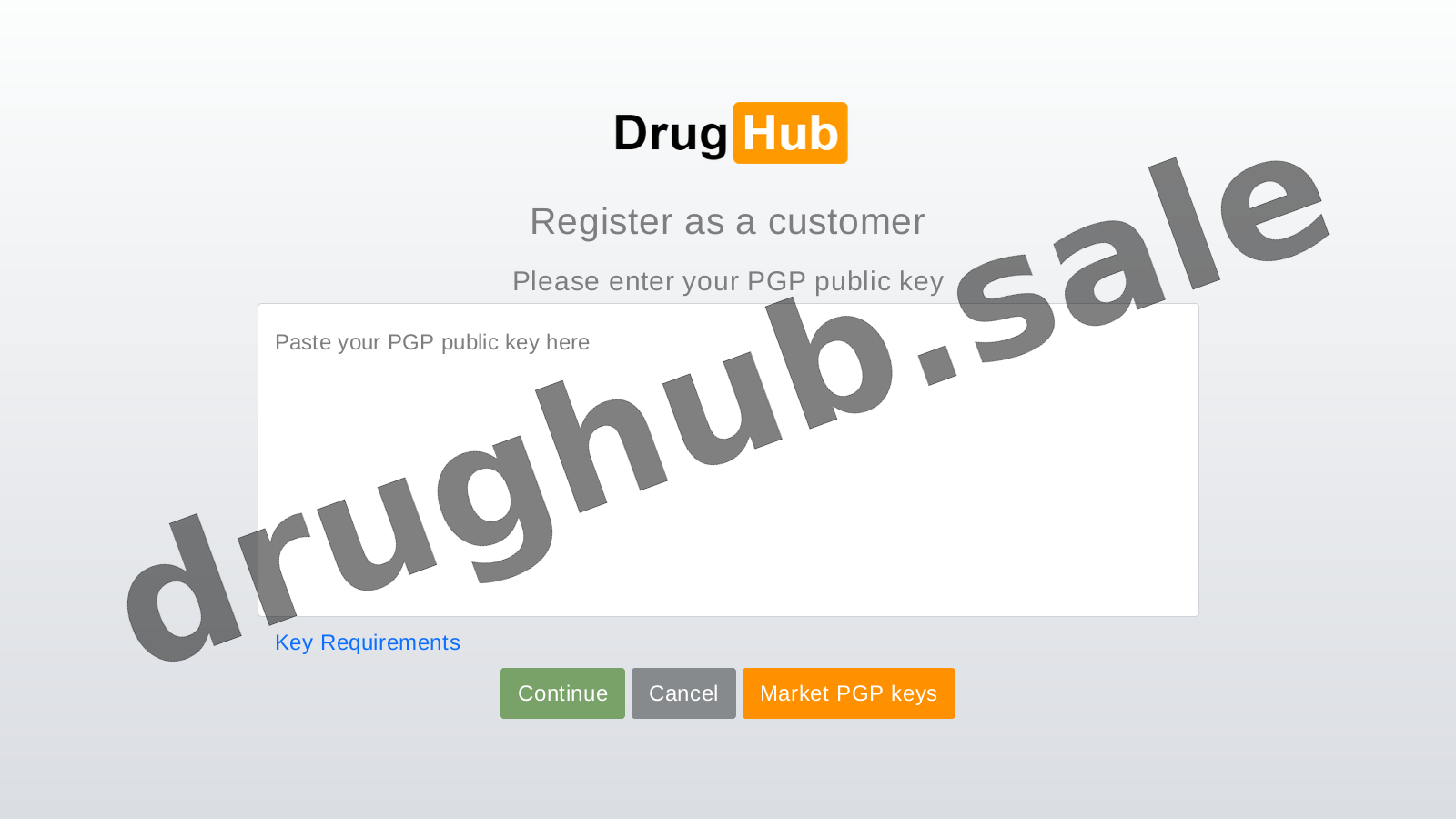
A major infrastructure overhaul deprecated traditional username/password combinations. The implementation of an autonomous PGP-based challenge-response protocol significantly constrained credential harvesting vectors and eliminated password reuse vulnerabilities.
Technical Architecture
Cryptographic Escrow
Funds are held in isolated cryptographic contracts utilizing 2-of-3 multisignature formats. This requires independent key authorization from at least two participating entities to finalize ledger state changes, mitigating singular points of failure.
Monero-Exclusive Ledger
By enforcing an XMR-only environment, the host network ensures that financial interactions cannot be mapped retroactively. All deposit and withdrawal interfaces utilize sub-addresses, dynamically generated per session.
Walletless / Direct-Pay Protocols
Analysis reveals significant structural adoption of walletless payment pipelines. Instead of maintaining large centralized hot wallets—which serve as high-value targets for adversaries—transactions are routed directly from external client applications to merchant-controlled destination endpoints, abstracting the platform's custodial risk.
Interface Topography



Network Statistics & Operation Policies
To mitigate fraudulent activity, the platform enforces strict security bonds for new suppliers. Operating accounts requires a substantial, locked deposit which acts as collateral against malicious behavior, effectively barring low-effort threat actors.
While absolute metrics remain mathematically obfuscated by the Tor protocol, cryptographic signatures and active PGP key registrations suggest a high volume of concurrent users focused on institutional-grade security practices.
A decentralized trust metric is established sequentially through completed escrow releases. The historical ledger prevents account spoofing and forces commercial distribution nodes to maintain stringent quality controls over extended durations.